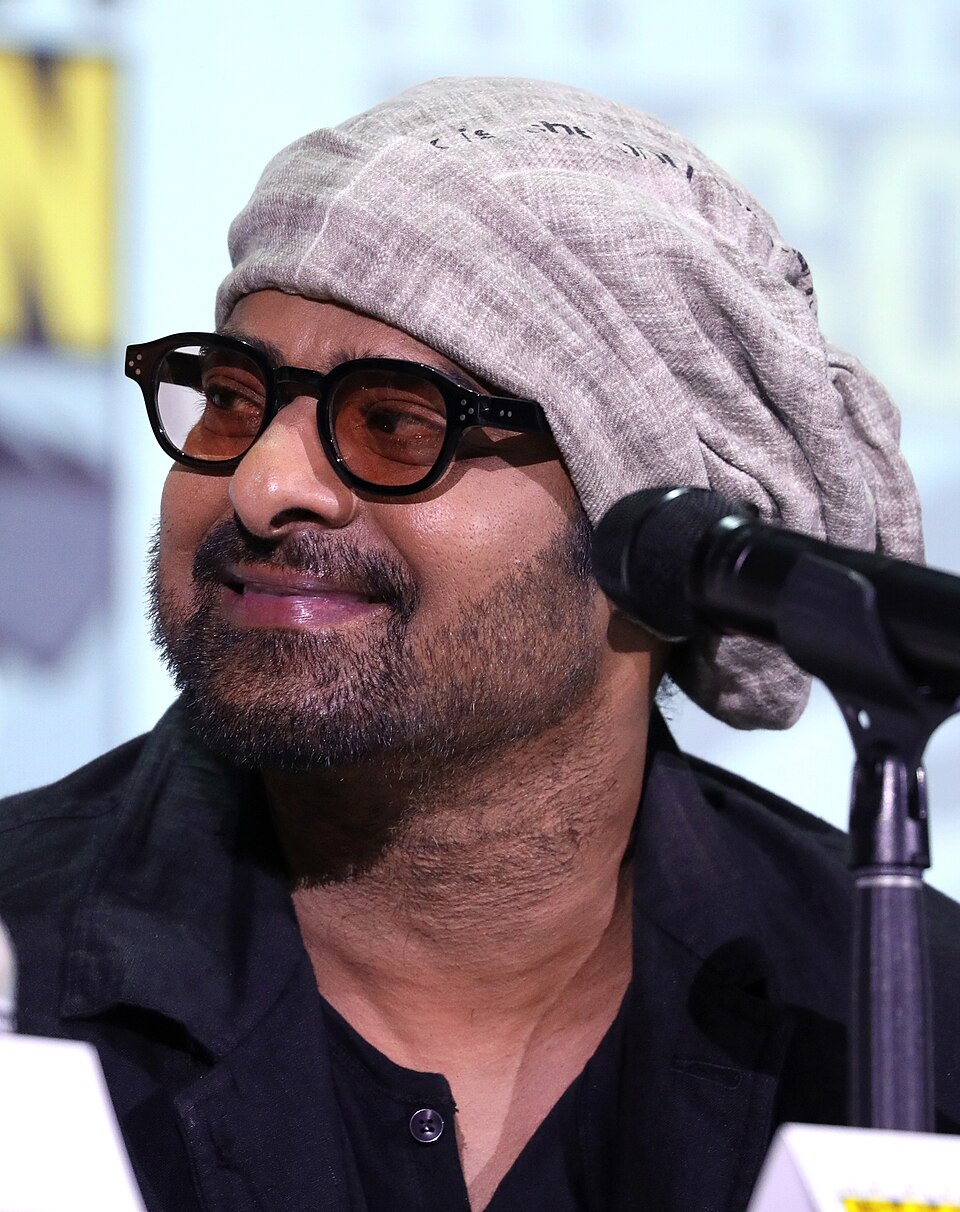

Salman Khan
An independent long-form guide to Salman Khan, actor (Hindi cinema, India). No fabricated facts.
स्वतंत्र, बिना मनगढ़ंत तथ्यों वाली Salman Khan की विस्तृत मार्गदर्शिका।
Photo credit: Salman Khan — Bollywood Hungama · Wikimedia Commons source · CC BY 3.0. Displayed with a layout crop; the linked source has the original image.
Quick Factsमुख्य तथ्य
Introduction: Why This Profile Exists
As a working observation, the name Salman Khan is widely recognised, yet recognition is not the same as understanding, and understanding needs patient explanation. On balance, if a fact is not something we can responsibly state, we say so instead of filling the gap with an attractive guess. It is worth keeping this in mind through the rest of the profile. When we step back, throughout, the emphasis is on films, series and screen appearances, since those are the parts of a public life that can be seen, revisited and discussed openly. That framing keeps the discussion anchored to the public record.
We write in an original voice and point readers to official sources, credited databases and reputable journalism for exact dates and figures. That point matters when reading about Salman Khan. For a careful reader, think of this page as a reading companion rather than a final verdict on Salman Khan. This profile is organised into sections, quick-fact tables, a myths-versus-facts list, a verification checklist and a frequently asked questions block.
As a working observation, what you will find here is context: how Hindi cinema works, how an actor from India builds a public career, and how to check claims for yourself. Readers can test this against the primary sources listed later. In plain terms, the goal of this profile is to give viewers a long, calm and structured reading of how Salman Khan fits into Hindi cinema, without inventing private details. It is a simple idea, but it is often forgotten. For a careful reader, a biography page can be useful even when it refuses to speculate, because the most valuable thing it offers is a method of reading. Readers can test this against the primary sources listed later.
Put simply, we try to separate three layers clearly: documented public work, widely reported public events, and the commentary that surrounds them. Nothing here depends on rumour or speculation. Seen from a distance, many pages about Salman Khan online repeat unverified numbers, so this guide deliberately avoids net-worth estimates, private relationships and unsourced quotes. It is worth keeping this in mind through the rest of the profile. Without overstating anything, this page treats Salman Khan as an actor whose career is best understood through public, verifiable work rather than gossip or guesswork. Readers can test this against the primary sources listed later.
In plain terms, readers from India and abroad often approach Salman Khan differently, and both perspectives are welcome in a fair profile. For a careful reader, the story of Salman Khan is also the story of Hindi cinema as an ecosystem of institutions, audiences, critics and collaborators. This is a context point, not a private claim.
The Landscape of Hindi cinema
In that landscape, Salman Khan is one of the names that viewers return to when they talk about the field as a whole. That point matters when reading about Salman Khan. When we step back, regional and global markets now overlap, so an actor from India can be discussed simultaneously by local and international audiences. Importantly, competition within Hindi cinema is intense, and public reputations rise and fall with a speed that earlier generations did not experience. Nothing here depends on rumour or speculation. Importantly, the economics of Hindi cinema reward visibility, consistency and reinvention, three qualities that recur in almost every long public career. The same pattern is visible across many careers in Hindi cinema. Put simply, industry structures such as studios, labels, leagues, networks or boards determine who gets opportunities and when.
As a working observation, critics, journalists and archivists play a quiet but crucial role in turning a stream of public moments into a readable history. The language of Hindi cinema includes its own jargon, rituals and seasons, and part of reading any career is learning that vocabulary. Importantly, public memory inside Hindi cinema tends to compress decades into a handful of famous moments, which is exactly why careful context helps. Importantly, changes in distribution, from physical media and broadcast to streaming and social platforms, have reshaped how viewers discover talent. In plain terms, audiences in India have historically had strong relationships with the figures of Hindi cinema, which raises both opportunity and pressure.
It is also fair to say that for newcomers, the landscape can look glamorous, but most of its daily work is disciplined, repetitive and collaborative. This is a context point, not a private claim. For a careful reader, Hindi cinema is shaped by institutions, money, technology and taste, and any actor working in it must navigate all four at once. Equally, professional associations, award bodies and governing organisations publish records that are far more reliable than fan wikis. One useful lens is this: it is impossible to understand Salman Khan fully without some sense of the expectations that Hindi cinema places on its most visible people. Readers can test this against the primary sources listed later.
The Craft Behind the Public Image
Importantly, rehearsal, workshops and on-set improvisation vary widely by production and are rarely documented publicly. This is a context point, not a private claim. One useful lens is this: voice, movement and stillness are core tools for any screen performer, and audiences often feel them before they name them. The same pattern is visible across many careers in Hindi cinema. Without overstating anything, choosing projects is itself a craft, balancing artistic interest, commercial expectations and personal range. Genre conventions in Hindi cinema influence what kinds of roles are offered and how they are judged. Seen from a distance, screen craft for Salman Khan should be studied through the work itself, which remains publicly available in many cases. This is a context point, not a private claim.
Seen from a distance, promotional tours and interviews form part of the modern actor's workload in Hindi cinema. In plain terms, the relationship between star persona and character is a recurring theme in discussions of Hindi cinema. It is a simple idea, but it is often forgotten. Equally, directors, cinematographers and editors shape how a performance finally appears, so screen craft is always shared. Nothing here depends on rumour or speculation. When we step back, screen performance depends on preparation, script analysis, physical discipline and the ability to repeat a moment many times under technical constraints. It is also fair to say that dubbing, subtitling and regional releases mean that a single performance can be experienced differently across India. That framing keeps the discussion anchored to the public record.
On balance, long shooting schedules, travel and promotional duties make screen careers physically and mentally demanding. The same pattern is visible across many careers in Hindi cinema. As a working observation, critics discuss performance in terms of truthfulness, control and transformation, vocabulary useful for any reader. The same pattern is visible across many careers in Hindi cinema.
Beginnings: Reading an Early Career Responsibly
From a research point of view, a responsible profile acknowledges uncertainty rather than flattening it into a neat but unreliable narrative. It is worth keeping this in mind through the rest of the profile. When we step back, even without private detail, the early public chapter of Salman Khan illustrates how Hindi cinema identifies and tests new talent. Nothing here depends on rumour or speculation. One useful lens is this: the first public appearances of any actor are worth studying for craft, not for trivia.
Importantly, what can be said generally is that most figures in Hindi cinema begin with years of low-visibility work before any public breakthrough. As a working observation, regional media in India often hold the earliest documented coverage, and these archives can be more accurate than later summaries. That point matters when reading about Salman Khan. When you read anecdotes about the early life of Salman Khan, ask whether they come from a first-hand interview or a recycled blog post. It is a simple idea, but it is often forgotten.
For exact birth dates, schooling and first breaks, the most reliable references are official biographies, authorised interviews and reputable archives. In plain terms, early reviews and match reports, where they exist, offer a snapshot of how the industry first perceived a newcomer. This is a context point, not a private claim. Without overstating anything, family background is frequently mentioned online, yet it belongs to private life unless the person has openly discussed it. Readers can test this against the primary sources listed later.
As a working observation, training, mentorship, local opportunities and timing tend to matter as much as raw talent at the start of a career. Nothing here depends on rumour or speculation. Importantly, early-career details are where misinformation spreads fastest, so this profile does not reconstruct private childhood stories for Salman Khan. Readers can test this against the primary sources listed later. On balance, stories of overnight success are common in popular retellings, but they usually hide long periods of preparation.
Readers interested in this phase should look for dated sources and compare at least two of them before trusting a detail. Readers can test this against the primary sources listed later.
Rise to Prominence
Without overstating anything, the visible peak of a career is only part of it; plateaus and second acts are equally instructive. When we step back, a breakthrough is rarely a single event; it is a moment when quality, timing and distribution align. It is also fair to say that for Salman Khan, public recognition grew to the point where the name became a reference point for viewers in India and beyond. It is worth keeping this in mind through the rest of the profile. Looked at historically, fame also brings scrutiny, and the public conversation around Salman Khan has included both admiration and criticism. When we step back, after a breakthrough, the harder task is maintaining relevance, which requires choices that are not always visible to the public.
Listicles that rank careers can be entertaining, but they are not evidence and should be read as opinion. As a working observation, the story of how Salman Khan became widely known is ultimately the story of sustained public films, series and screen appearances. Media attention multiplies quickly once an actor becomes famous, and this attention shapes how later work is received. Importantly, prominence in Hindi cinema usually arrives through a combination of a widely seen piece of work and sustained follow-through. It is a simple idea, but it is often forgotten. Without overstating anything, charting the rise of any public figure is best done with dated reviews, official statistics and industry records.
As a working observation, commercial partnerships often follow prominence, though the details of contracts belong to the parties involved. Nothing here depends on rumour or speculation. Prominence is relative to era: what counted as massive reach decades ago differs from today, so comparisons need care. Nothing here depends on rumour or speculation. The jump from recognised to iconic involves cultural factors such as memes, catchphrases, signature styles or moments of national pride.
Discussing the Body of Work
Reception should be read across time, because contemporary reviews and later reappraisals often disagree. Nothing here depends on rumour or speculation. From a research point of view, archival footage, liner notes, scorecards and press kits are underused primary sources for studying a body of work. Nothing here depends on rumour or speculation. Seen from a distance, commercial results are frequently misquoted online; trustworthy figures come from trade publications, official bodies or verified reports. This is a context point, not a private claim. For a careful reader, the body of work of Salman Khan consists of films, series and screen appearances that are documented by credited databases and official channels. When we step back, peak moments should be contextualised against the competition and conditions of their time. It is worth keeping this in mind through the rest of the profile.
Some of the most-discussed work of Salman Khan remains part of everyday conversation among viewers, which is itself a sign of influence. That point matters when reading about Salman Khan. In plain terms, when discussing any well-known piece of work, the useful questions are: what was attempted, how was it received, and what did it change. Readers can test this against the primary sources listed later. It is also fair to say that rather than listing titles from memory and risking errors, this profile encourages readers to consult official filmographies, discographies or statistical records. In plain terms, fans often have personal favourites, and those preferences are valid as taste even when they differ from critical consensus. It is a simple idea, but it is often forgotten. On balance, a career that spans many years will naturally include celebrated work, average work and experiments that did not land.
When we step back, for a fair reading, look at range: variety of roles, styles, opponents or formats can say more than any single highlight. That point matters when reading about Salman Khan. When we step back, if you build your own list, cite the source next to each entry so that others can verify it. It is a simple idea, but it is often forgotten. Seen from a distance, collaboration matters: writers, directors, coaches, producers, teammates and crews all contribute to what audiences attribute to one name. It is worth keeping this in mind through the rest of the profile. As a working observation, this section intentionally avoids a numbered list of works, because accuracy matters more than the appearance of completeness.
Public Image and Media
Equally, the media story of Salman Khan is still being written, which is why this profile focuses on durable public facts. It is a simple idea, but it is often forgotten. When we step back, interviews offer insight but are also performances, shaped by format, editing and the purpose of the publication. It is a simple idea, but it is often forgotten. Without overstating anything, misattributed quotes circulate widely; if a quote lacks a dated source, it should be treated as unverified. Nothing here depends on rumour or speculation.
For a careful reader, the way viewers talk about Salman Khan online reveals as much about audience culture as about the person. As a working observation, public image changes with time, and older coverage should be read with awareness of the norms of its era. On balance, in India, media ecosystems include national outlets, regional language press and digital-first platforms, each with distinct standards. Readers can test this against the primary sources listed later.
Equally, controversies, where they exist, deserve sourced and proportionate treatment rather than sensational repetition. Equally, headlines compress complex events into a few words, and those few words often travel further than the full story. This is a context point, not a private claim. When we step back, the public image of Salman Khan is a collaboration between the person, the media, publicists and audiences. This is a context point, not a private claim.
Equally, brand image and personal identity are not the same thing, even when marketing tries to merge them. Responsible coverage respects privacy, especially regarding health, family and relationships. Readers can test this against the primary sources listed later. In plain terms, a fair reader distinguishes between what Salman Khan has said on record and what others claim on their behalf.
Seen from a distance, paparazzi culture and social media have blurred lines between public work and private life for many figures in Hindi cinema.
Cultural Influence in India and Beyond
Looked at historically, the influence of Salman Khan can be seen in how viewers discuss standards of excellence within the field. That framing keeps the discussion anchored to the public record. Put simply, the diaspora connected to India has often amplified the reach of its public figures internationally. Seen from a distance, it would be misleading to credit any single person with transforming Hindi cinema alone; change is collective. The same pattern is visible across many careers in Hindi cinema.
From a research point of view, the long tail of influence often outlasts headline moments by many years. Looked at historically, influence is hard to measure, but it shows up in imitation, references, debate and the careers of those who follow. This is a context point, not a private claim. One useful lens is this: measuring influence honestly means combining quantitative signals with qualitative cultural observation. Readers can test this against the primary sources listed later.
Looked at historically, educational settings sometimes study prominent careers as case studies in discipline, branding or artistic choice. It is worth keeping this in mind through the rest of the profile. From a research point of view, international recognition, where it exists, adds another layer, connecting India audiences with wider global conversations. This is a context point, not a private claim. On balance, still, some names become shorthand for an era, and Salman Khan is frequently mentioned in such conversations.
From a research point of view, cultural influence also travels through fashion, language, humour and everyday rituals such as watching or listening together. Nothing here depends on rumour or speculation. Without overstating anything, influence is not always positive or uniform; different communities may read the same figure very differently. Nothing here depends on rumour or speculation. Equally, younger practitioners frequently cite established names as inspiration, though such citations should be checked in context.
In India, figures from Hindi cinema often become part of shared cultural vocabulary across generations. Readers can test this against the primary sources listed later.
Collaborators and Ecosystem
For a careful reader, the best documentation of this ecosystem is found in credits, official team sheets, liner notes and press releases. Readers can test this against the primary sources listed later. Long-running partnerships often shape a recognisable style that audiences may wrongly attribute to one person. For a careful reader, behind every visible performance there are rehearsals, practice sessions and preparation that the public rarely sees. That framing keeps the discussion anchored to the public record. In plain terms, in Hindi cinema, collaborative networks include mentors, peers, managers, technical teams and support staff. Without overstating anything, rivalries, often exaggerated by media, can also push standards higher across a field.
On balance, no public career happens alone; the work associated with Salman Khan involves many collaborators whose names deserve recognition. This is a context point, not a private claim. It is also fair to say that support structures such as agencies, academies, federations or unions provide training, protection and negotiation. It is also fair to say that the ecosystem around Salman Khan illustrates how Hindi cinema distributes creative and competitive labour. That framing keeps the discussion anchored to the public record. Industry ecosystems also change, and collaborators from one era may be replaced by new teams in another. One useful lens is this: when reading reports of feuds or friendships, prefer on-record statements over anonymous sources. Nothing here depends on rumour or speculation.
Without overstating anything, credits are the best place to see who contributed to a given project, match or production. The same pattern is visible across many careers in Hindi cinema. Recognising the ecosystem is a way of reading Salman Khan more accurately, not of diminishing individual achievement.
The Digital Era and Fandom
In plain terms, digital platforms have changed how viewers encounter Salman Khan, moving discovery from scheduled broadcasts to constant feeds. Readers can test this against the primary sources listed later. Healthy fandom celebrates work while respecting boundaries; unhealthy fandom intrudes on privacy. The same pattern is visible across many careers in Hindi cinema. Put simply, algorithmic feeds reward strong emotions, which helps explain why controversy often travels faster than achievement. The same pattern is visible across many careers in Hindi cinema. The digital presence of Salman Khan is one part of a much longer public story. The same pattern is visible across many careers in Hindi cinema.
Put simply, for researchers, archived web pages and dated posts provide timestamps that help verify claims. Without overstating anything, search engines can surface outdated or incorrect snippets, so cross-checking remains essential. For a careful reader, fake accounts and edited images are a real problem; always check verification badges and original upload sources. Looked at historically, fan communities create remarkable archives, edits and translations, but they can also spread rumours quickly.
Without overstating anything, digital fandom in India is multilingual, with conversations happening across several languages at once. Verified official accounts are useful primary sources for announcements, though they are curated by design. Readers can test this against the primary sources listed later. One useful lens is this: follower counts change daily and are not reliable measures of artistic or sporting merit. In plain terms, streaming and on-demand access have given older work by public figures a second life with new audiences. It is worth keeping this in mind through the rest of the profile.
Criticism, Debate and Fair Assessment
On balance, this profile does not adjudicate legal or private matters; those belong to courts, institutions and the people involved. Looked at historically, any prominent actor attracts criticism, and engaging with criticism fairly is part of understanding a career. Nothing here depends on rumour or speculation. Without overstating anything, critical reviews, analysis by experts and audience debate are legitimate and often illuminating. That framing keeps the discussion anchored to the public record.
As a working observation, the conversation about Salman Khan is richer when it includes disagreement grounded in evidence. It is a simple idea, but it is often forgotten. Importantly, where public controversies have been reported, readers should check reputable outlets and official statements. Looked at historically, balanced reading means acknowledging strengths and limitations without forcing a final verdict. It is a simple idea, but it is often forgotten.
As a working observation, polarised online debate can make moderate positions seem invisible, yet most informed opinions are nuanced. Readers can test this against the primary sources listed later. As a working observation, some debates around public figures in Hindi cinema reflect larger social questions rather than individual choices alone. Changing social norms can reframe older work, and such reframing is a normal part of cultural history. It is worth keeping this in mind through the rest of the profile.
One useful lens is this: audiences are entitled to their own judgement once they have accurate information. The same pattern is visible across many careers in Hindi cinema. Fair assessment separates critique of work from personal attacks, which add heat but no light. The same pattern is visible across many careers in Hindi cinema. Put simply, critics themselves have biases and contexts, so reading several critical voices is wiser than trusting one. That point matters when reading about Salman Khan.
Legacy and Long-Term Significance
In plain terms, awards and records are part of legacy, but exact lists should always be confirmed with the awarding or governing body. Readers can test this against the primary sources listed later. When we step back, legacy should be described with humility, because the full record is always larger than any single profile. Nothing here depends on rumour or speculation. From a research point of view, this page will remain a reading guide, updated in spirit whenever reliable public information changes. Without overstating anything, historians of Hindi cinema tend to weigh consistency, innovation and influence when evaluating any career. Readers can test this against the primary sources listed later. Importantly, whatever final judgement history makes, the name Salman Khan is firmly part of the conversation about Hindi cinema. This is a context point, not a private claim.
For a careful reader, in India, legacy often includes symbolic meaning: representation, national pride or the opening of doors for others. For Salman Khan, legacy discussions usually centre on the durability of public films, series and screen appearances and their place in the memory of viewers. Nothing here depends on rumour or speculation. For a careful reader, legacy is a long-term question, and for living figures it remains open. It is a simple idea, but it is often forgotten. Put simply, others are re-evaluated critically, which is a sign of a living culture rather than a failure. Seen from a distance, for readers, the most useful takeaway is a richer sense of how Hindi cinema works and how public careers are built.
Some legacies grow over time as later generations rediscover work that was underrated at first. Importantly, a legacy also includes the institutions, students, teammates or followers shaped by a career.
A Reader's Timeline Framework
When we step back, students using this framework will learn as much about research method as about Salman Khan. This is a context point, not a private claim. Equally, major public events such as releases, tournaments, broadcasts or launches are easier to date than private milestones. That point matters when reading about Salman Khan. Seen from a distance, a good timeline also records context: what else was happening in Hindi cinema at the same moment. In plain terms, each phase should be marked with sources, so that every entry on the timeline can be checked by another reader. It is worth keeping this in mind through the rest of the profile.
Equally, the second phase is the period of growing recognition, often visible in reviews, rankings, selections or chart and match records. From a research point of view, the first phase to document is the earliest credited public work, which should be dated using official credits or contemporary reports. Nothing here depends on rumour or speculation. On balance, timelines built this way are slower to create, but they avoid the copying errors that plague many celebrity pages. That framing keeps the discussion anchored to the public record. One useful lens is this: the third phase covers the peak of public visibility, when media coverage of Salman Khan was at its densest. The same pattern is visible across many careers in Hindi cinema.
When we step back, when two sources disagree about a date, record both and note the disagreement rather than choosing silently. It is worth keeping this in mind through the rest of the profile. Seen from a distance, for viewers, a well-sourced timeline turns scattered memories into a coherent public story. That framing keeps the discussion anchored to the public record. Without overstating anything, instead of a fabricated year-by-year chronology, this section offers a framework for building an accurate timeline of Salman Khan from public sources. One useful lens is this: archives of newspapers in India and official records in Hindi cinema are the backbone of a trustworthy timeline.
Without overstating anything, a fourth phase, for long careers, involves reinvention, mentoring, new formats or a shift in the kind of films, series and screen appearances undertaken. When we step back, the table of quick facts above is deliberately limited to what this framework can support without speculation. Readers can test this against the primary sources listed later.
Questions Worth Asking About Salman Khan
It is also fair to say that how has the digital era changed the conversation about Salman Khan. It is a simple idea, but it is often forgotten. In plain terms, which claims about Salman Khan online lack sources, and how could they be checked. Importantly, what does the documented public record actually show, as opposed to what is commonly repeated. It is also fair to say that what role did collaborators, institutions and timing play in the career of Salman Khan. This is a context point, not a private claim.
Asking these questions turns passive reading into active, responsible engagement. In plain terms, how does the career compare with peers from India without forcing a ranking. One useful lens is this: what aspects of the public image are shaped by marketing rather than by work. It is worth keeping this in mind through the rest of the profile. On balance, which questions should remain unanswered because they concern private life.
When we step back, how did critics and peers in Hindi cinema describe the work at the time, and has that view changed. That point matters when reading about Salman Khan. On balance, what can aspiring professionals in Hindi cinema learn from the visible discipline of the career. Looked at historically, what would a newcomer need to watch, hear or read first to understand the fuss. That point matters when reading about Salman Khan. One useful lens is this: which pieces of films, series and screen appearances are most often discussed, and why do viewers keep returning to them. It is a simple idea, but it is often forgotten.
Myths vs Public Facts
Fact-check approach: Net-worth figures online are estimates by third parties and are not verified financial disclosures. Treat any number as speculation unless it comes from an official filing.
Fact-check approach: Many quotes are misattributed or edited. A genuine quote should have a dated interview, video or publication as its source.
Fact-check approach: Fan wikis can be helpful but are editable by anyone. Cross-check with official sites, credited databases or reputable journalism.
Fact-check approach: Public breakthroughs usually follow long, low-visibility preparation. Overnight-success stories simplify a longer reality.
Fact-check approach: Information about family, health or relationships is private unless Salman Khan has discussed it on record. Respect that boundary.
Fact-check approach: Awards should be confirmed directly with the awarding body; blogs often copy errors from each other.
Fact-check approach: Follower counts reflect platform dynamics and marketing as much as merit, and they change constantly.
Fact-check approach: Work in Hindi cinema is collaborative. Credits show the many people behind each project or performance.
Fact-check approach: Edited and AI-generated images circulate widely. Check original sources and verified accounts.
Fact-check approach: Reported controversies should be read through reputable, dated coverage and official statements, not reposted summaries.
How to Verify Information About Salman Khan
The following checklist is designed for students, writers and fans who want to discuss Salman Khan accurately. It works for any public figure in Hindi cinema, and it is especially useful because so much secondary material online repeats errors.
- Start with the official website or verified social accounts of Salman Khan for announcements.
- Use credited databases and official records relevant to Hindi cinema for lists of films, series and screen appearances.
- Prefer trade publications and established newspapers in India for dated reporting.
- Check at least two independent sources before trusting a date or number.
- Look for the original interview or video behind any quote.
- Confirm awards with the organisation that grants them.
- Use web archives to see when a claim first appeared online.
- Be cautious with screenshots; ask for the original link.
- Distinguish opinion pieces from news reports.
- Note the publication date; older reports may have been corrected.
- Avoid sites that publish net-worth or private-life claims without sources.
- When in doubt, say "unverified" rather than repeating a claim.
Frequently Asked Questions
Who is Salman Khan?
Salman Khan is a widely known actor associated with Hindi cinema and India. This profile focuses on public work and context rather than private details.
What is Salman Khan best known for?
Salman Khan is best known for public films, series and screen appearances. For a precise list, consult official and credited sources relevant to Hindi cinema.
Why does this page not list a net worth?
Because reliable public financial disclosures are generally not available, and estimates online are speculative. We do not publish invented numbers.
Where can I find exact dates such as birth date or debut?
Official biographies, authorised interviews and reputable archives are the best sources. We avoid stating details we cannot verify responsibly.
Is this page affiliated with Salman Khan?
No. It is an independent, educational reading guide.
Where do the profile photos come from?
Profile photos are sourced from Wikimedia Commons. Photographer, source and license details appear in the photo credit below the profile header. If a photo is unavailable, initials appear instead.
How is this page different from other biography sites?
It refuses to fabricate. It offers context, a verification method and structured quick facts instead of rumours.
Can I cite this page?
You can cite it as context, but for facts please cite the primary sources it recommends.
Is there a Hindi version?
Yes. Use the EN/HI toggle at the top of the post to switch languages.
How often is the site updated?
New profiles are published from a queue every day, and pages may be revised as reliable information changes.
Further Reading and Source Types
- Official website and verified accounts of Salman Khan
- Credited industry databases for Hindi cinema
- Reputable newspapers and trade publications in India
- Award-body and governing-body records
- Published, reputable biographies and archives
परिचय: यह प्रोफ़ाइल क्यों
संतुलित रूप से कहें तो, सटीक तिथियों और आंकड़ों के लिए आधिकारिक स्रोतों, प्रमाणित डेटाबेस और प्रतिष्ठित पत्रकारिता का सहारा लें। पाठक इसे नीचे दिए स्रोतों से जाँच सकते हैं। यह पेज एक पठन-मार्गदर्शिका है, अंतिम निर्णय नहीं। इतिहास के नज़रिए से, Salman Khan की कहानी Hindi cinema की संस्थाओं, दर्शकों, आलोचकों और सहयोगियों की कहानी भी है।
संतुलित रूप से कहें तो, हम निजी जीवन, अनुमानित संपत्ति या बिना स्रोत के उद्धरण प्रकाशित नहीं करते। ध्यान देने योग्य है कि हम सार्वजनिक कार्य, व्यापक रूप से रिपोर्ट की गई घटनाओं और टिप्पणियों को अलग-अलग रखते हैं। पाठक इसे नीचे दिए स्रोतों से जाँच सकते हैं। इस प्रोफ़ाइल का उद्देश्य पाठकों को Hindi cinema के संदर्भ में Salman Khan की एक शांत और संरचित समझ देना है। इससे चर्चा सार्वजनिक रिकॉर्ड से जुड़ी रहती है।
सरल शब्दों में, यह पेज Salman Khan को उनके सार्वजनिक और सत्यापन योग्य कार्य के माध्यम से समझने का प्रयास है, अफ़वाहों के माध्यम से नहीं। सरल शब्दों में, जहाँ कोई तथ्य ज़िम्मेदारी से नहीं कहा जा सकता, वहाँ हम अनुमान के बजाय स्पष्ट रूप से यह बताते हैं। पाठक इसे नीचे दिए स्रोतों से जाँच सकते हैं।
Hindi cinema का परिदृश्य
ध्यान देने योग्य है कि ग्लैमर के पीछे अधिकांश काम अनुशासित, दोहराव वाला और सामूहिक होता है। यही पैटर्न Hindi cinema के कई करियरों में दिखता है। इतिहास के नज़रिए से, वितरण के बदलते माध्यम, प्रसारण से स्ट्रीमिंग तक, प्रतिभा की खोज के तरीके बदल चुके हैं। यह एक संदर्भ बिंदु है, निजी दावा नहीं। पुरस्कार संस्थाएँ और आधिकारिक संगठन फ़ैन विकी से कहीं अधिक विश्वसनीय रिकॉर्ड रखते हैं। शोध की दृष्टि से, इस परिदृश्य में Salman Khan उन नामों में हैं जिन पर लोग बार-बार चर्चा करते हैं। इससे चर्चा सार्वजनिक रिकॉर्ड से जुड़ी रहती है।
सार्वजनिक स्मृति दशकों को कुछ प्रसिद्ध क्षणों में समेट देती है, इसलिए संदर्भ ज़रूरी है। India के दर्शकों का Hindi cinema के लोगों से गहरा भावनात्मक रिश्ता रहा है। यह एक संदर्भ बिंदु है, निजी दावा नहीं। इतिहास के नज़रिए से, Hindi cinema में प्रतिस्पर्धा तीव्र है और प्रतिष्ठा तेज़ी से बदलती है। Hindi cinema संस्थाओं, धन, तकनीक और रुचि से आकार लेता है। पाठक इसे नीचे दिए स्रोतों से जाँच सकते हैं।
शुरुआती करियर को ज़िम्मेदारी से पढ़ना
ध्यान देने योग्य है कि जन्म तिथि, शिक्षा और पहले अवसर के लिए आधिकारिक जीवनी और प्रामाणिक साक्षात्कार देखें। यह एक संदर्भ बिंदु है, निजी दावा नहीं। पारिवारिक पृष्ठभूमि निजी विषय है, जब तक व्यक्ति ने स्वयं उस पर खुलकर बात न की हो। इससे चर्चा सार्वजनिक रिकॉर्ड से जुड़ी रहती है। ध्यान देने योग्य है कि किसी भी विवरण पर भरोसा करने से पहले कम से कम दो दिनांकित स्रोतों की तुलना करें। पाठक इसे नीचे दिए स्रोतों से जाँच सकते हैं। "रातों-रात सफलता" की कहानियाँ प्रायः लंबी तैयारी को छिपा देती हैं।
संतुलित रूप से कहें तो, India के क्षेत्रीय मीडिया अभिलेखों में अक्सर सबसे पुरानी दस्तावेज़ी कवरेज मिलती है। यही पैटर्न Hindi cinema के कई करियरों में दिखता है। इतिहास के नज़रिए से, अधिकांश लोग किसी बड़ी सफलता से पहले वर्षों तक कम-चर्चित काम करते हैं। यह एक संदर्भ बिंदु है, निजी दावा नहीं। सरल शब्दों में, शुरुआती जीवन के विवरणों में सबसे अधिक ग़लत जानकारी फैलती है। यही पैटर्न Hindi cinema के कई करियरों में दिखता है।
प्रसिद्धि तक का सफ़र
करियर का शिखर पूरी कहानी नहीं है; ठहराव और दूसरा अध्याय भी उतने ही महत्वपूर्ण हैं। यह एक संदर्भ बिंदु है, निजी दावा नहीं। सफलता के बाद प्रासंगिक बने रहना और भी कठिन काम है। यह एक संदर्भ बिंदु है, निजी दावा नहीं। ध्यान देने योग्य है कि Salman Khan का नाम India और उससे बाहर एक संदर्भ-बिंदु बन चुका है। यह एक संदर्भ बिंदु है, निजी दावा नहीं।
सरल शब्दों में, Hindi cinema में प्रसिद्धि प्रायः एक व्यापक रूप से देखे गए कार्य और लगातार प्रयास से आती है। इससे चर्चा सार्वजनिक रिकॉर्ड से जुड़ी रहती है। रैंकिंग वाली सूचियाँ मनोरंजक हो सकती हैं, पर वे प्रमाण नहीं हैं। संतुलित रूप से कहें तो, अलग-अलग युगों की तुलना सावधानी से करनी चाहिए। यही पैटर्न Hindi cinema के कई करियरों में दिखता है।
प्रसिद्धि के साथ आलोचना और निगरानी भी आती है।
कार्य-संग्रह पर चर्चा
Salman Khan का कार्य-संग्रह फ़िल्मों, सीरीज़ और स्क्रीन प्रस्तुतियों से बना है, जो आधिकारिक स्रोतों में दर्ज है। यह एक संदर्भ बिंदु है, निजी दावा नहीं। शोध की दृष्टि से, विविधता किसी एक उपलब्धि से अधिक बता सकती है। यही पैटर्न Hindi cinema के कई करियरों में दिखता है। इतिहास के नज़रिए से, किसी भी प्रसिद्ध कार्य के बारे में पूछें: क्या प्रयास किया गया, कैसे सराहा गया और उसने क्या बदला। इससे चर्चा सार्वजनिक रिकॉर्ड से जुड़ी रहती है।
शोध की दृष्टि से, व्यावसायिक आंकड़े ऑनलाइन अक्सर ग़लत उद्धृत होते हैं। यही पैटर्न Hindi cinema के कई करियरों में दिखता है। ध्यान देने योग्य है कि स्मृति से शीर्षक गिनाने के बजाय हम आधिकारिक फ़िल्मोग्राफ़ी, डिस्कोग्राफ़ी या सांख्यिकीय रिकॉर्ड देखने की सलाह देते हैं। इतिहास के नज़रिए से, लेखक, निर्देशक, कोच, निर्माता और टीम—सभी उस काम में योगदान देते हैं जिसे एक नाम से जोड़ा जाता है।
सरल शब्दों में, अपनी सूची बनाएँ तो हर प्रविष्टि के साथ स्रोत अवश्य लिखें।
सार्वजनिक छवि और मीडिया
सरल शब्दों में, ज़िम्मेदार कवरेज स्वास्थ्य, परिवार और रिश्तों की निजता का सम्मान करती है। इससे चर्चा सार्वजनिक रिकॉर्ड से जुड़ी रहती है। शोध की दृष्टि से, ब्रांड छवि और व्यक्तिगत पहचान एक जैसी नहीं होतीं। इससे चर्चा सार्वजनिक रिकॉर्ड से जुड़ी रहती है। साक्षात्कार अंतर्दृष्टि देते हैं, पर वे संपादन और प्रारूप से प्रभावित होते हैं। पाठक इसे नीचे दिए स्रोतों से जाँच सकते हैं।
संतुलित रूप से कहें तो, बिना दिनांकित स्रोत वाले उद्धरण को असत्यापित मानें। यही पैटर्न Hindi cinema के कई करियरों में दिखता है। विवादों का उल्लेख स्रोत सहित और संतुलित रूप में होना चाहिए। यही पैटर्न Hindi cinema के कई करियरों में दिखता है। Salman Khan की सार्वजनिक छवि व्यक्ति, मीडिया और दर्शकों का साझा निर्माण है। यही पैटर्न Hindi cinema के कई करियरों में दिखता है।
सांस्कृतिक प्रभाव
प्रभाव का ईमानदार आकलन आंकड़ों और सांस्कृतिक अवलोकन दोनों से होता है। India में Hindi cinema के लोग पीढ़ियों की साझा सांस्कृतिक भाषा का हिस्सा बन जाते हैं। पाठक इसे नीचे दिए स्रोतों से जाँच सकते हैं। प्रभाव नकल, संदर्भों, बहस और आने वाली पीढ़ियों के करियर में दिखता है। इससे चर्चा सार्वजनिक रिकॉर्ड से जुड़ी रहती है।
संतुलित रूप से कहें तो, किसी एक व्यक्ति को पूरे उद्योग के बदलाव का श्रेय देना भ्रामक होगा। पाठक इसे नीचे दिए स्रोतों से जाँच सकते हैं। ध्यान देने योग्य है कि फिर भी कुछ नाम एक युग का प्रतीक बन जाते हैं, और Salman Khan ऐसी चर्चाओं में अक्सर आते हैं। यह एक संदर्भ बिंदु है, निजी दावा नहीं। सरल शब्दों में, प्रवासी समुदायों ने अक्सर इन हस्तियों की अंतरराष्ट्रीय पहुँच बढ़ाई है। यही पैटर्न Hindi cinema के कई करियरों में दिखता है।
डिजिटल युग और प्रशंसक
सरल शब्दों में, डिजिटल प्लेटफ़ॉर्म ने दर्शकों के Salman Khan से मिलने का तरीका बदल दिया है। पाठक इसे नीचे दिए स्रोतों से जाँच सकते हैं। सरल शब्दों में, सत्यापित आधिकारिक खाते घोषणाओं के लिए उपयोगी प्राथमिक स्रोत हैं। यही पैटर्न Hindi cinema के कई करियरों में दिखता है। नकली खाते और संपादित तस्वीरें एक वास्तविक समस्या हैं। इससे चर्चा सार्वजनिक रिकॉर्ड से जुड़ी रहती है।
शोध की दृष्टि से, फ़ैन समुदाय शानदार अभिलेख बनाते हैं, पर अफ़वाहें भी तेज़ी से फैला सकते हैं। इससे चर्चा सार्वजनिक रिकॉर्ड से जुड़ी रहती है। फ़ॉलोअर संख्या प्रतिभा का विश्वसनीय माप नहीं है। यही पैटर्न Hindi cinema के कई करियरों में दिखता है। संतुलित रूप से कहें तो, स्वस्थ प्रशंसा काम का जश्न मनाती है और सीमाओं का सम्मान करती है।
आलोचना और निष्पक्ष आकलन
बदलते सामाजिक मानदंड पुराने काम को नए सिरे से देखने का अवसर देते हैं। यही पैटर्न Hindi cinema के कई करियरों में दिखता है। पर्याप्त जानकारी के बाद दर्शक अपना निर्णय स्वयं ले सकते हैं। यह एक संदर्भ बिंदु है, निजी दावा नहीं। संतुलित रूप से कहें तो, हर प्रसिद्ध व्यक्ति की आलोचना होती है, और उसे निष्पक्ष रूप से समझना ज़रूरी है। इससे चर्चा सार्वजनिक रिकॉर्ड से जुड़ी रहती है।
इतिहास के नज़रिए से, यह प्रोफ़ाइल कानूनी या निजी मामलों पर निर्णय नहीं देता। शोध की दृष्टि से, संतुलित पठन में ताकत और सीमाएँ दोनों स्वीकार की जाती हैं। पाठक इसे नीचे दिए स्रोतों से जाँच सकते हैं। काम की आलोचना और व्यक्तिगत हमले में अंतर करें। पाठक इसे नीचे दिए स्रोतों से जाँच सकते हैं।
विरासत
विरासत एक दीर्घकालिक प्रश्न है, और जीवित हस्तियों के लिए यह खुला रहता है। यही पैटर्न Hindi cinema के कई करियरों में दिखता है। पुरस्कार और रिकॉर्ड विरासत का हिस्सा हैं, पर सूची हमेशा आधिकारिक संस्था से पुष्टि करें। इससे चर्चा सार्वजनिक रिकॉर्ड से जुड़ी रहती है। ध्यान देने योग्य है कि Salman Khan की विरासत की चर्चा प्रायः उनके फ़िल्मों, सीरीज़ और स्क्रीन प्रस्तुतियों की स्थायित्व पर केंद्रित होती है। कुछ विरासतें समय के साथ बढ़ती हैं जब नई पीढ़ी पुराने काम को फिर खोजती है। यह एक संदर्भ बिंदु है, निजी दावा नहीं।
संतुलित रूप से कहें तो, इतिहास का जो भी निर्णय हो, Salman Khan का नाम Hindi cinema की चर्चा का स्थायी हिस्सा है।
मिथक बनाम तथ्य
जाँच: ये तृतीय पक्ष के अनुमान हैं, सत्यापित खुलासे नहीं।
जाँच: असली उद्धरण का दिनांकित स्रोत होना चाहिए।
जाँच: सार्वजनिक सफलता से पहले लंबी तैयारी होती है।
जाँच: जब तक व्यक्ति स्वयं न बताए, यह निजी है।
जाँच: संपादित और AI तस्वीरें आम हैं; मूल स्रोत जाँचें।
जानकारी कैसे सत्यापित करें
- आधिकारिक वेबसाइट और सत्यापित खाते देखें।
- प्रमाणित डेटाबेस और आधिकारिक रिकॉर्ड देखें।
- कम से कम दो स्वतंत्र स्रोतों की तुलना करें।
- उद्धरण के पीछे मूल साक्षात्कार खोजें।
- पुरस्कारों की पुष्टि संबंधित संस्था से करें।
- संदेह हो तो "असत्यापित" लिखें।
अक्सर पूछे जाने वाले प्रश्न
Salman Khan कौन हैं?
Salman Khan Hindi cinema से जुड़े एक प्रसिद्ध व्यक्तित्व हैं (India)।
यहाँ संपत्ति क्यों नहीं दी गई?
क्योंकि विश्वसनीय सार्वजनिक खुलासे उपलब्ध नहीं होते और हम काल्पनिक आंकड़े प्रकाशित नहीं करते।
क्या यह पेज आधिकारिक है?
नहीं, यह एक स्वतंत्र शैक्षिक मार्गदर्शिका है।
तस्वीरें क्यों नहीं हैं?
लाइसेंस प्राप्त चित्र जोड़े जाने तक प्लेसहोल्डर हैं।